Source Construction Spring Cone Crusher for Mining Quarry
Find 30 construction spring cone crusher units from verified Chinese manufacturers. Compare specifications like capacity, dimensions, and motor power to select the right machine for mining, metallurgy, and construction projects; compare the available evidence and request quotations based on your requirements.
Key considerations
Products List
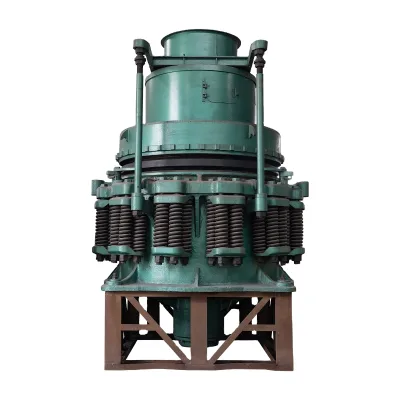

$2000.00 - $200000.00
Moq: 1


Comprehensive Sourcing Guide
Construction Spring Cone Crusher Sourcing Guide
Procuring a construction spring cone crusher requires a disciplined approach to aligning machine capabilities with specific aggregate processing demands. Buyers must first define the required throughput and feed size to ensure the selected unit matches their operational volume. The observed market listings indicate a wide range of capacities, from moderate outputs around 55 tons per hour to high-volume units exceeding 500 tons per hour. Understanding these variations is critical for selecting a crusher that prevents bottlenecks in the crushing circuit while maintaining energy efficiency.
Beyond capacity, the physical dimensions and weight of the machine significantly impact installation logistics and foundation requirements. Listings show weights ranging from approximately 112,000 kilograms to 55 metric tons, with dimensions varying substantially based on the model series. Buyers should verify the footprint and weight specifications against their site’s structural load limits and crane availability. This preliminary assessment ensures that the chosen crusher can be safely installed and integrated into the existing plant layout without requiring extensive civil engineering modifications or specialized heavy-lift equipment.
Product Scope and Observed Listing Signals
The current market for spring cone crushers features diverse models tailored for mining, metallurgy, and construction applications. Observed product names include specific series such as PYB900, CS-110B, and GP1400, each representing different design generations and performance tiers. While some listings explicitly identify as "Spring Cone Crusher," others may be categorized under broader terms like "Cone Crusher Machine" or "Compound Cone Crusher." Buyers must carefully review the product title and description to confirm the mechanical type, as hydraulic and spring mechanisms operate differently regarding overload protection and adjustment methods.
Color options and customization availability are frequently highlighted as key selling points, with listings offering blue, black, green, yellow, and white finishes. Some suppliers provide color customization according to customer requirements, which can be useful for fleet standardization or site safety coding. Additionally, the presence of video outgoing-inspection services suggests a level of transparency in the manufacturing process. Buyers should leverage these visual verification tools to assess the build quality, weld integrity, and assembly standards before committing to a purchase, ensuring that the physical product matches the digital representation.
Technical Specifications to Verify
Discharge size and inlet dimensions are primary technical parameters that dictate the crusher’s suitability for specific aggregate sizes. Observed discharge sizes range from 15-50mm to 25-64mm, indicating the machine’s ability to produce fine or coarse aggregates. The inlet size, observed at 135mm for some models and up to 241mm for others, determines the maximum feed particle size the machine can accept. Buyers must match these specifications with the output of their primary jaw or gyratory crusher to ensure smooth material flow and prevent blockages or excessive wear on the mantle and concave liners.
Power consumption and motor type are also critical for operational cost analysis. Listings indicate power ratings around 55,000 watts and specify the use of AC motors, which are standard for industrial applications. The spindle speed, observed at 480r/min for certain models, influences the crushing action and product shape. Buyers should verify these electrical and mechanical specifications against their site’s power infrastructure and desired product gradation. Ensuring compatibility with the existing power supply and understanding the mechanical dynamics will help optimize throughput and minimize energy waste during continuous operation.
Compliance and Safety Documentation
Certification status is a key indicator of manufacturing quality and regulatory compliance. Many observed listings include ISO and CE certifications, which suggest adherence to international quality management standards and European safety directives. Some suppliers also mention additional certifications such as SONCAP and CCC, which may be relevant for specific regional markets or export requirements. Buyers should request copies of these certificates to verify their validity and ensure they cover the specific model being purchased. This documentation provides assurance that the machine has undergone rigorous testing and meets essential safety and performance benchmarks.
Warranty terms and spare parts availability are essential components of the risk management strategy. A standard one-year warranty is commonly offered, providing coverage for manufacturing defects and initial operational issues. Furthermore, suppliers often承诺 lifelong spare parts supply, which is crucial for long-term maintenance and minimizing downtime. Buyers should clarify the scope of the warranty, including what components are covered and the process for claiming repairs. Understanding the spare parts ecosystem ensures that critical components like bearings, seals, and liners can be sourced quickly, maintaining operational continuity throughout the machine’s lifecycle.
Cost Drivers and Commercial Terms
Pricing in the spring cone crusher market varies significantly based on capacity, build quality, and included features. Observed price ranges span from $1 to $200,000, reflecting the diversity from smaller, entry-level units to large, high-capacity industrial machines. The minimum order quantity (MOQ) is typically one unit, allowing for flexible procurement for single-site projects. Buyers should consider the total cost of ownership, including installation, commissioning, and energy consumption, rather than focusing solely on the initial purchase price. Higher-priced units often offer better durability, efficiency, and advanced features that can reduce long-term operational costs.
Packaging and shipping methods are important logistical considerations that affect delivery time and product protection. Listings indicate various packing options, including containerized shipments, nude packs, bulk shipments, and wooden boxes. The choice of packaging depends on the machine’s size and the destination’s infrastructure. Buyers should coordinate with suppliers to determine the most cost-effective and secure shipping method. Additionally, understanding the lead time and production schedule is vital for project planning. Clear communication regarding delivery terms and responsibilities ensures that the machine arrives on site when needed, avoiding costly project delays.
Supplier Qualification and Quality Control
Supplier verification is a critical step in mitigating procurement risks. Buyers should assess the supplier’s manufacturing capabilities, including their facility size, production lines, and quality control processes. The observation that video outgoing-inspection is provided suggests that some suppliers are transparent about their final product checks. Buyers should request detailed videos or live virtual tours to inspect the assembly process, weld quality, and surface finish. This direct observation helps verify that the machine meets the specified standards and is built to last under harsh operating conditions.
Customization and after-sales support are key differentiators among suppliers. Many listings highlight customization availability, allowing buyers to tailor the machine to specific site requirements. Suppliers also emphasize convenient maintenance and lifelong spare parts support, which are vital for long-term operational success. Buyers should evaluate the supplier’s responsiveness and technical expertise during the inquiry phase. A supplier that provides detailed technical guidance and responsive support is more likely to ensure a smooth installation and commissioning process, reducing the risk of operational issues post-purchase.
Long-Term Procurement Checks
Establishing a robust maintenance plan is essential for maximizing the lifespan of a spring cone crusher. Buyers should develop a routine inspection schedule focusing on critical components such as the motor, bearings, and lubrication system. The observed emphasis on convenient maintenance suggests that some designs facilitate easier access to wear parts. Buyers should ensure that their maintenance team is trained on the specific model’s requirements and has access to the necessary tools and spare parts. Proactive maintenance prevents unexpected failures and extends the machine’s operational life, protecting the initial investment.
Continuous performance monitoring and periodic audits are necessary to ensure the crusher operates within its optimal parameters. Buyers should track key performance indicators such as throughput, power consumption, and product size distribution. Regularly comparing these metrics against the initial specifications helps identify deviations that may indicate wear or mechanical issues. Additionally, staying informed about updates in crushing technology and best practices can help buyers optimize their operations. Engaging with the supplier for periodic reviews and technical support ensures that the machine continues to meet evolving production demands efficiently and safely.
FAQs
What is the capacity of the construction spring cone crusher?
The machine offers a crushing capacity ranging from 55 to 500 tons per hour depending on the specific model selected. This high productivity ensures efficient processing for mining and construction applications while maintaining consistent output levels.
Which certifications do these cone crushers hold?
These units are certified with ISO and CE standards to ensure safety and quality compliance. Some models also carry SONCAP and CCC certifications, providing verified reliability for international buyers seeking trusted industrial machinery solutions.
Can the color be customized for the crusher machine?
Yes, customization is available for the machine color to match specific customer requirements. Standard options include blue, black, green, yellow, and white, allowing buyers to select a finish that fits their operational branding or site safety standards.
How is the spare parts supply managed for this equipment?
Spare parts supply is provided for the lifetime of the machine to ensure long-term operational continuity. This commitment supports maintenance convenience and reduces downtime, making the equipment a reliable choice for continuous mining and quarrying operations.
What is the warranty period for the cone crusher?
The product comes with a one-year warranty covering manufacturing defects and core component failures. This warranty applies to the motor and other essential parts, ensuring buyer protection during the initial operational phase of the new machine.
Which packing methods are used for shipping the crusher?
Packing options include container shipping, nude packs, bulk transport, and wooden boxes depending on the model. Export packing is standard to ensure safe delivery, while specific models may utilize wooden boxes for added protection during transit.